Famous Beekeepers

ARISTOTLE: Greek philosopher Aristotle was famed for his observations of nature, including bees from his own hives. Though not always perfectly accurate, Aristotle’s observations were for many years the basis of western knowledge about the animal kingdom. In his text A History of Animals, Aristotle describes drones and ruler bees (though he calls them kings rather than queens), the order of a hive, and the making of honey.
SIR EDMUND HILLARY: On 29 May 1953, New Zealander Edmund Hillary and his guide, Tenzing Norgay, became the first people to stand on the summit of Mount Everest. But Hillary was only on the expedition at all because of his interest in beekeeping. Before the second world war, in which he served as a navigator in the Royal New Zealand Air Force, Hillary and his brother, Rex, joined their father’s beekeeping business, a seasonal occupation that enabled Hillary to fund his climbing ambitions during the northern hemisphere’s summer. Together, they eventually had 1,200 hives.


HENRY FONDA: Actor Henry Fonda was an amateur beekeeper who reportedly gave friends jars labeled “Henry’s Honey.” The beekeeping connection was reinforced when Fonda’s son Peter won an Academy Award nomination for playing a beekeeper in the 1997 movie Ulee’s Gold. In an interview that year with theToronto Sun, Peter Fonda reported “My dad kept a few hives… He had been a boy scout and an eagle scout and a scout master, as an eagle scout he had all the badges, one of them was for beekeeping, He had the veil, the whole beekeeper outfit.”
HIPPOCRATES: The next famous beekeeper our countdown is arguably the most important. While Hippocrates contributed to beekeeping, his greatest contributions were in the field of medicine. Today he is known as “The father of medicine.”
Hippocrates combined his interest in beekeeping with his medicine. He was a pioneer in the art of administering bee venom for arthritis patients and even took his own advice when he said, “let your food be medicine.” He commonly prescribed honey as a remedy for a wide range of illnesses. He wrote,
Honey and pollen cause warmth, clean sores and ulcers, soften hard ulcers of lips, heal carbuncles, and running sores.


SHERLOCK HOLMES: According to Sir Arthur Conan Doyle, fictional detective Sherlock Holmes retired to Sussex, England and amused himself by keeping bees. In His Last Bow (1917), Holmes’s friend Dr. Watson tells him “We heard of you as living the life of a hermit among your bees and your books in a small farm upon the South Downs.” In reply Holmes shows off a book he has authored, Practical Handbook of Bee Culture, with Some Observations upon the Segregation of the Queen, saying, “Behold the fruit of pensive nights and laborious days when I watched the little working gangs as once I watched the criminal world of London.
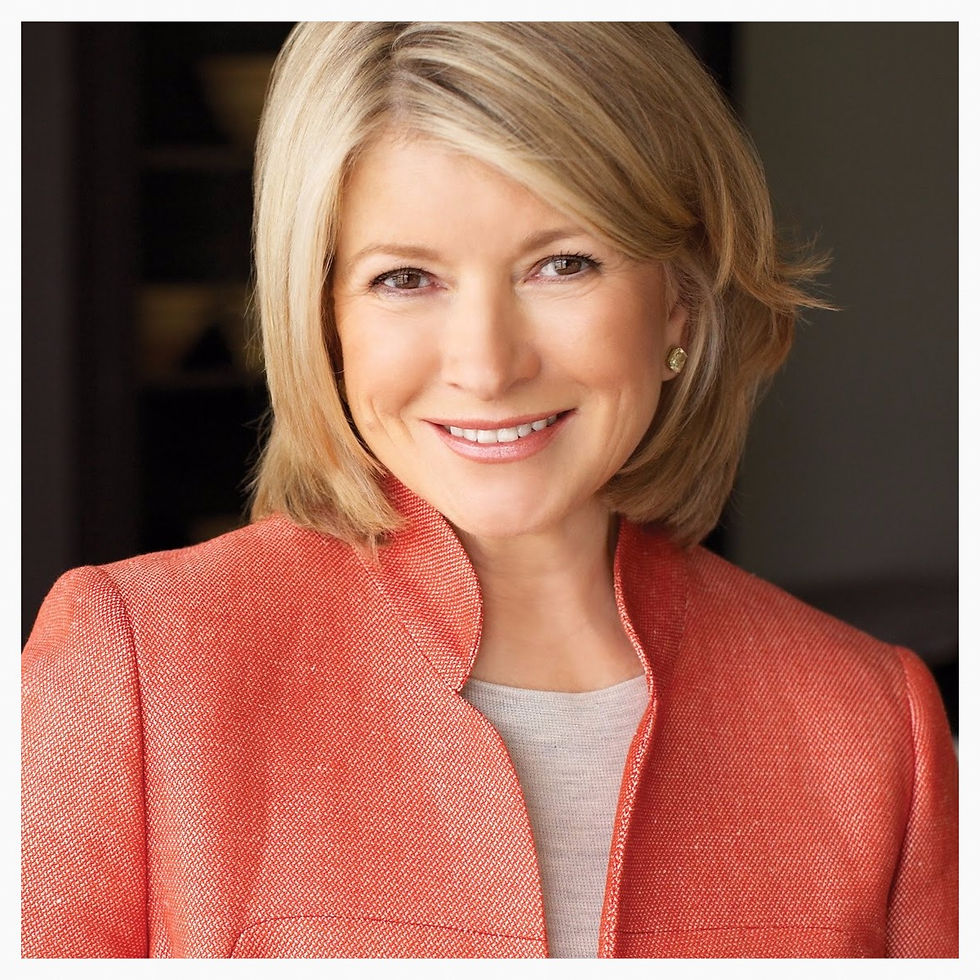
MARTHA STEWART: Lifestyle expert and media mogul Martha Stewart says she’s been keeping bees since the 1970s. Not only do they enhance the flowers and fruit trees in her garden, they make honey, and that’s a good thing. Stewart advises her readers to put the hives in the back of the yard, “away from young children and domestic animals,” to “avoid wearing perfume” and, if it’s your first time working with bees, to “get an expert’s help.”

ALEXANDER THE GREAT: Honorable Mention: Aristotle’s pupil Alexander the great didn’t keep bees, but he ended up having a close relationship with honey. After his death in Babylon during a military campaign, Alexander’s body was placed in a gold coffin filled with honey for the return to Macedon. The body was intercepted by Alexander’s old friend Ptolemy, who took it to Alexandria, Egypt, where it was eventually entombed.
SYLVIA PLATH: Sylvia Plath was an American poet and author. She’s best known for contributing works that were quite dark and in the end her life imitated her art. Plath was found dead in her home at the young age of 30 due to an apparent suicide.
Ms. Plath did enjoy beekeeping and was exposed to it at an early age by her father who was an entomologist (bug scientist) and beekeeper. Plath draws from her experience in beekeeping in a work titled: The Bee Meeting.

GEORGE WASHINGTON: That’s right! the first president of United States was a beekeeper. Before the days where politics was a career choice, most men, and women who served our country were professionals in something else. George Washington always stated that he was first and foremost a progressive farmer.
Some historians think that Washington kept “Log-gum” style hives which were common at this time. However, records at Mount Vernon indicate that Washington might have also been a leader in beekeeping as well as agriculture and was already using wooden box hives to produce honey and keep bees to pollinate his crops. Washington loved eating honey as well. His favorite breakfast was corn pancakes (referred to as “hoecakes”) slathered in honey.

GEORGE WASHINGTON: That’s right! the first president of United States was a beekeeper. Before the days where politics was a career choice, most men, and women who served our country were professionals in something else. George Washington always stated that he was first and foremost a progressive farmer.
Some historians think that Washington kept “Log-gum” style hives which were common at this time. However, records at Mount Vernon indicate that Washington might have also been a leader in beekeeping as well as agriculture and was already using wooden box hives to produce honey and keep bees to pollinate his crops. Washington loved eating honey as well. His favorite breakfast was corn pancakes (referred to as “hoecakes”) slathered in honey.
SCARLETT JOHANSSON: The Hollywood A-list actress took up beekeeping when fellow actor Samuel L Jackson gave her a beehive full of bees as a wedding present.

Comments